Leverage is exposure, not extra income
Leverage lets a relatively small account support a larger position. It does not make the underlying currency move more predictably. The same exposure that enlarges a gain also enlarges a loss relative to the money committed.
Use a simple balance-sheet example
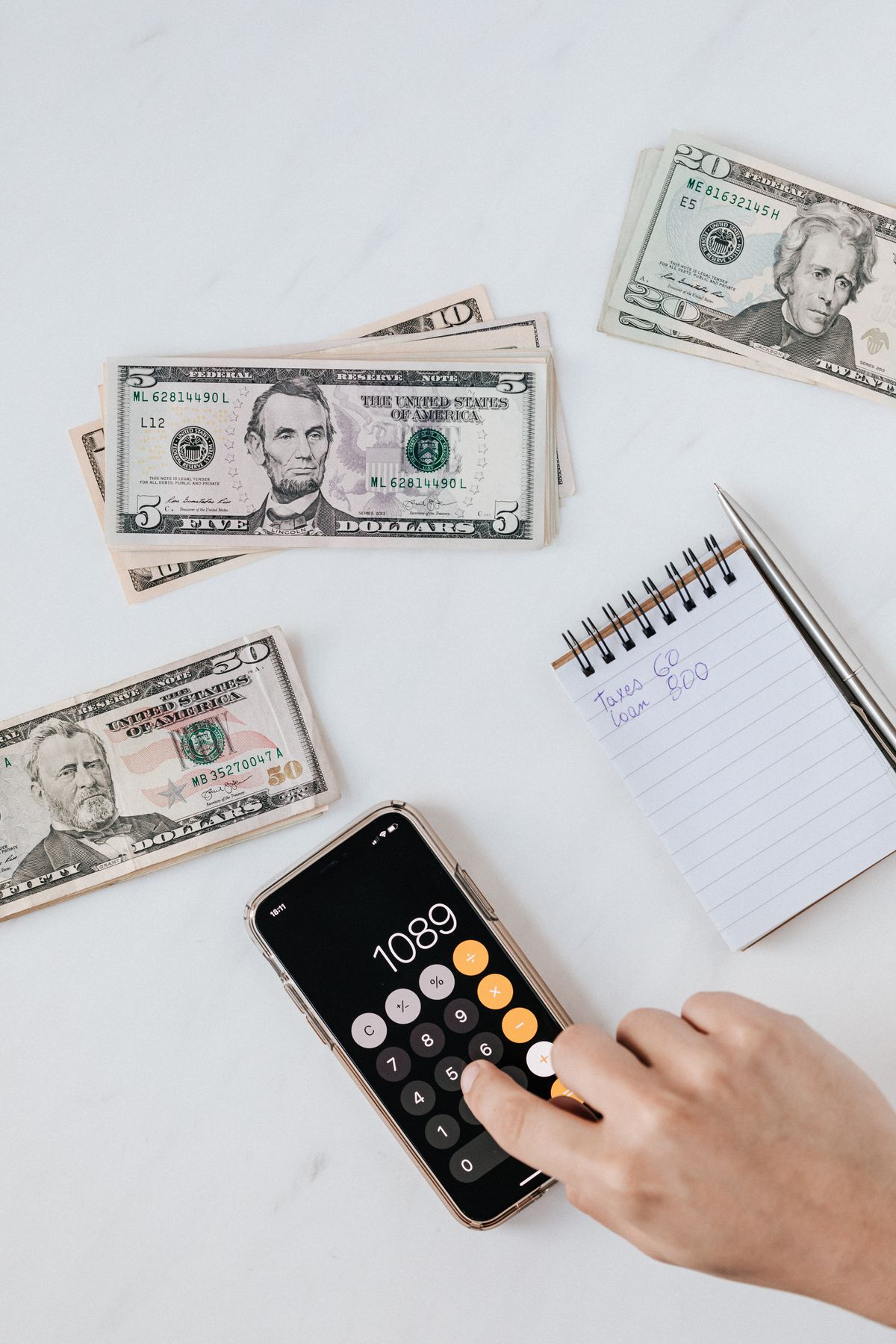
Suppose a hypothetical account has 1,000 dollars and controls 10,000 dollars of currency exposure. A one-percent adverse movement on that exposure is approximately 100 dollars before costs and product-specific effects. That is ten percent of the initial account amount, not one percent.
Distinguish margin from loss
Margin is collateral required to support a position. It is not necessarily the most you can lose. Liquidation rules, negative-balance protections and legal obligations depend on the provider, product and jurisdiction. Read the actual agreement rather than assuming a demo account’s behavior covers every case.
Test your explanation
Before using any platform, explain in writing the position’s full notional amount, required margin and effect of an adverse move. If those numbers cannot be explained without repeating a marketing slogan, stay with education. A smaller margin requirement is not a reason to increase exposure or a measure of the quality of a trade.
Sources & further reading
Source material and official guidance. Original practical suggestions are editorial content, not statements from the organisations below. Selected references checked September 24, 2026; publication dates and context are stated in each article.
Have a correction or a question about this article? Contact the editorial team. Read our editorial policy and disclaimer.